
Why Charlottesville Sellers Should Think Like Inspectors Before They List
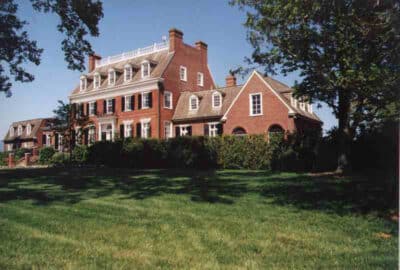
You can sell a house “as is,” but you cannot sell it “as-is-and-hope-they-don’t-notice.”
By Toby Beavers, a top Charlottesville real estate agent since 2003
If you have ever sold a home in Charlottesville, you already know the process can feel like preparing for a first date and a job interview at the same time.
You want to look your best, answer questions honestly, and avoid any awkward surprises.
That is exactly why a pre-listing home inspection is one of the smartest moves a seller can make.
After more than two decades helping Charlottesville home sellers navigate this market, I can tell you this simple step can save deals, protect your wallet, and help you sleep at night.
Let’s walk through why it matters, what to look for, and how to avoid turning your home sale into an unintended legal drama.
The Pre-Listing Inspection Advantage
Virginia is what we call a “buyer-beware” state.
Under the Virginia Residential Property Disclosure Act, sellers are not required to guarantee the condition of the home.
Instead, buyers are encouraged to do their own due diligence, including inspections. (Justia Law)
That sounds like good news for sellers, right?
Well, yes and no.
While the law limits what you must proactively disclose, it does not permit you to hide known defects.
If you know something is wrong and fail to disclose it, you can still face serious legal consequences.
That is where a pre-listing inspection comes in.
It allows you to:
- Identify problems before buyers do
- Fix issues on your timeline, not under pressure
- Price your home more accurately
- Build trust with buyers
And perhaps most importantly, avoid the dreaded “uh-oh moment” when a buyer’s inspector uncovers something you did not expect.
What Age of Home Should Get an Inspection?
Short answer: almost all of them.
Longer answer: The older the home, the more important the inspection becomes.
In Charlottesville, we have homes ranging from brand-new builds to properties that predate electricity.
If your home falls into one of these categories, a pre-listing inspection is especially wise:
- 10+ years old: Systems like HVAC, roofs, and water heaters start aging
- 20+ years old: Higher likelihood of deferred maintenance
- 40+ years old: Potential for outdated wiring, plumbing, or structural concerns
- Historic homes: Charm comes with quirks, and sometimes surprises
Even newer homes can benefit.
Construction defects, grading issues, and builder shortcuts do happen.
Think of it this way: if your home has had time to develop personality, it has also had time to develop problems.
What Inspectors Look For (And What You Should Too)
A licensed home inspector in Virginia is required to evaluate visible systems and components and document observable defects. (Legal Information Institute)
Here are the big-ticket items that tend to make or break deals:
1. Roof and Structure
- Missing shingles
- Sagging rooflines
- Foundation cracks
- Water intrusion
2. Plumbing
- Leaks under sinks
- Old supply lines
- Water pressure issues
3. Electrical
- Outdated panels
- Double-tapped breakers
- Improper wiring
4. HVAC Systems
- Aging furnaces or heat pumps
- Poor maintenance
- Inefficient performance
5. Moisture and Mold
- Damp basements or crawl spaces
- Poor drainage
- Mold growth
6. Wood-Destroying Insects
- Termites
- Carpenter ants
- Structural damage
7. Environmental Concerns
- Radon
- Lead-based paint (especially pre-1978 homes)
- Asbestos
Virginia disclosure forms specifically reference many of these areas, including structural systems, water systems, and hazardous materials. (USLegal Real Estate)
In other words, these are not just inspection issues.
They are potential deal killers.
Should You Disclose Major Defects?
Let me be crystal clear here.
Yes. Absolutely. Every time.
Even in a buyer-beware state like Virginia, you are expected to disclose known material defects.
These are issues that could affect a buyer’s decision to purchase the home.
Examples include:
- Foundation problems
- Roof leaks
- Major water damage
- Mold issues
- Non-functioning systems
Failing to disclose known issues can lead to claims of misrepresentation or fraud.
And here is the kicker.
If you get a pre-listing inspection, you now have documented knowledge of your home’s condition.
That means you cannot claim ignorance later.
This is not a bad thing.
It is actually a powerful advantage if you handle it correctly.
You can:
- Fix the issue
- Disclose it and price accordingly
- Offer repair credits
Transparency builds confidence. Confidence sells homes.
What Happens If You Don’t Disclose?
Let’s talk about the part nobody enjoys.
Lawsuits.
If a buyer discovers a defect after closing and can prove you knew about it and failed to disclose it, you could be facing the following:
- Legal fees
- Repair costs
- Potential damages
- A whole lot of stress
And trust me, no one wants their home sale to end with a courtroom appearance.
There are plenty of real-world examples where buyers pursue sellers for undisclosed defects, especially when those defects are clearly material.
Even in states with lighter disclosure requirements, courts can still hold sellers accountable for intentional concealment or misrepresentation.
In plain English: you can sell a house “as is,” but you cannot sell it “as-is-and-hope-they-don’t-notice.”
Humor Break: The “Surprise” Factor
In real estate, surprises are great when they involve multiple offers.
They are not great when they involve the following:
- A crawl space that doubles as a swimming pool
- A roof that has seen better centuries
- Wiring that looks like it was installed during the American Civil War
A pre-listing inspection helps you eliminate the bad surprises and keep the good ones.
How This Helps You Sell Faster (and Smarter)
Buyers today are savvy. Many are waiving contingencies or moving quickly, but they are still cautious.
Providing a pre-listing inspection can:
- Reduce negotiation friction
- Shorten time on market
- Justify your asking price
- Attract more serious buyers
It signals that you are a responsible seller who has nothing to hide.
And in a competitive market like Charlottesville, that matters.
Final Thoughts From Toby
After 23 years in the business, I have learned this simple truth:
The best transactions are the ones with the fewest surprises.
A pre-listing home inspection is not about finding problems.
It is about taking control of the narrative before someone else does.
If your home is more than 10 years old, get one.
If it is 20 or older, definitely get one.
If it is a Charlottesville historic home, I will personally bring the inspector coffee.
Handle issues upfront, disclose what you know, and position your home with confidence.
Because in real estate, honesty is not just the best policy.
It is the most profitable one too.
Toby Beavers, a knowledgeable Charlottesville realtor since 2003, may be reached by phone or text at 434-327-2999
