
Septic Wells Easements in Albemarle County VA
What City Folks Don’t Know
A Survival Guide for NOVA and Richmond buyers, by Toby Beavers (a top Charlottesville realtor since 2003)
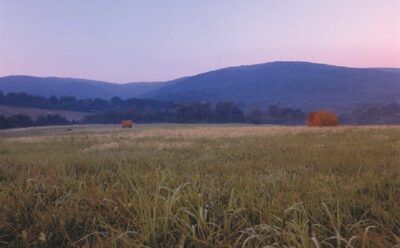
If you are coming from Northern Virginia or Richmond, you are used to two invisible safety nets: public water and public sewer.
Out here in Albemarle County, those services often end at the neighborhood entrance sign.
After that, you are the utility department. You are also the long-term steward of whatever the deed allows, especially if the land is under a conservation easement.
This guide is how I keep my city clients from learning expensive lessons the hard way.
1) Septic is not “a tank.” It is a whole treatment system that you can damage with habits
A typical septic setup has a septic tank that separates scum, liquid effluent, and sludge, and then a drainfield (also called a soil absorption field) that finishes the job in the soil.
The drainfield is the part you cannot easily replace, and it is the part most often ruined by neglect.
Virginia Tech notes that solids build up over time and must be pumped so solids do not migrate toward the drainfield and clog it. Virginia Cooperative Extension
Optional visual refresher (helpful if you have never owned a septic):
- Septic diagram: https://commons.wikimedia.org/wiki/File:Septic_tank_EN.svg (from image search results, Wikimedia Commons)
- Quick explainer video: https://www.youtube.com/watch?v=PUP8_IY-Sgs (This Old House, “Understanding Septic Systems | Ask This Old House”)
Practical city-to-country mindset shift: your septic system has a “loading limit.” Too much water too fast, or the wrong materials, can push solids where they do not belong and shorten drainfield life.
2) Pumping is normal maintenance, not a sign something is wrong
The cleanest deal I see is when sellers can hand over pump-out receipts and service notes.
Virginia Tech’s guidance is clear: with normal use and upkeep, septic tanks typically need pumping every 3 to 5 years, and regular inspection helps prevent surprises. Virginia Cooperative Extension
What city folks do not expect: some pumpers charge extra if they have to locate or dig for lids.
If you buy a home, map the system on day one.
Keep a simple diagram with distances from fixed points like the corners of the house.
3) Alternative systems are common in the county, and they come with rules and recurring costs
In many Albemarle rural locations, soil conditions and slopes lead to alternative onsite sewage systems (AOSS).
These can include pumps, control panels, media filters, or other components that behave more like a small appliance than a buried tank.
If you have an AOSS, inspections and operation requirements are governed by Virginia’s administrative code, including mandatory visit and inspection requirements by an operator when required. Virginia Administrative Code, 12VAC5-613-180
Translation: budget for ongoing professional oversight if your system requires it.
During due diligence, ask what system type it is, whether there is an operation and maintenance manual, and who services it.

4) Well water is not “free water.” You are responsible for testing, interpretation, and protection
Private wells are not the same as public water, because ongoing testing is largely on the owner.
The Virginia Department of Health explains that after installation, subsequent testing is at the discretion of the well user, and water testing around home purchases may be driven by lenders rather than a state requirement. VDH private well testing guidance
Here is the survival-level testing advice I give buyers:
- Get a baseline test early, then plan routine testing.
VDH recommends annual testing for bacteria and nitrate, even when other parameters can be tested less often once you establish a baseline. VDH private well testing guidance - Do not guess at “taste and odor.” Test first.
VDH’s water testing page emphasizes that you need to know what is in your water in order to respond appropriately, and it links consumers to accredited labs and guidance. VDH water testing - Protect the wellhead like you would protect a server room.
Keep runoff away, avoid chemical storage nearby, and treat flooding near the wellhead as a reason to re-test. VDH flags flooding and noticeable changes as triggers for additional testing. VDH private well testing guidance
Optional visual reference (from image search results):
- VDH Private Well Program page image link: https://www.vdh.virginia.gov/environmental-health/private-well-program/
5) Easements: two different meanings that get confused in country-home deals
City buyers hear “easement” and think “utility strip behind the townhouse.”
In Albemarle’s rural area, you will run into two very different concepts:
A) Utility and access easements (title and survey issues)
These are rights for someone else to cross or use part of your land. Think shared driveways, buried lines, overhead power, or neighbor access. These easements can affect where you can build, fence, or even plant. This is a title review and survey conversation. Your survival move is to review the plat and title commitment early and match what you see on paper to what you see on the ground.
B) Conservation easements (land use restrictions in perpetuity)
A conservation easement is a recorded restriction that limits certain development rights to protect conservation values.
The Virginia Outdoors Foundation describes open-space easements as limiting or prohibiting certain development rights, such as the ability to subdivide or construct buildings, in order to protect conservation values. Virginia Outdoors Foundation
In plain English: the land can be gorgeous and still come with a rulebook.
6) What conservation easements commonly restrict (and why buyers get surprised)
The Virginia Department of Conservation and Recreation provides a plain list of restrictions commonly included in easements.
These often include limitations on subdivision, restrictions on the number and size of buildings and where they can be located, limits on roads and utilities, and riparian buffer requirements along water bodies. Virginia DCR common easement restrictions
This is where “country dream” meets reality.
The home may be fine, but your future plans might not be. Examples I ask buyers to think through before they get emotionally attached:
- Can you add a guest house, barn, pool, or additional driveway where you want it?
- Are there building envelopes or excluded areas?
- Are there stream buffers that limit disturbance near water?
- Are there forestry or farming plan requirements?
Also important: easements vary widely. You must read the recorded document for that specific parcel, not a generic summary.
Optional visual explainer (from video search results):
- Virginia Outdoors Foundation YouTube channel video result: https://www.youtube.com/watch?v=b-05iRQtGyY (VOF public forum content)
7) Albemarle County conservation context: why it shows up so often in listings
Albemarle County states that its Conservation Program supports Comprehensive Plan goals to protect ecosystems and natural resources and preserve rural character. Albemarle County Conservation Program
That policy backdrop is why you will see protected farms, wooded tracts, and scenic viewsheds tied to recorded easements.
It is part of what keeps Albemarle feeling like Albemarle.
8) My “Toby” checklist for buyers before you remove contingencies
If you only take one page from this survival guide, take this one:
- Septic: identify system type, age, last pump-out date, and locate tank and drainfield on a sketch map. Use Virginia Tech’s pumping guidance as a baseline for expectations. Virginia Cooperative Extension
- AOSS: if it is alternative, confirm operator requirements, service history, and any required inspections. 12VAC5-613-180
- Well: order a baseline test and plan for annual bacteria and nitrate testing as VDH recommends. VDH private well testing guidance
- Easements: separate “access/utility easements” from “conservation easements,” then read what is recorded and compare it to your intended use. Virginia Outdoors Foundation
- Conservation restrictions: scan DCR’s common restriction list, then verify what applies in your specific deed. Virginia DCR
Last note, from a top Albemarle County realtor who has watched great buyers make avoidable mistakes since 2003: country homes are not harder, they are just more manual.
If you treat septic, well, and easements like core infrastructure and not “extra paperwork,” you will enjoy the lifestyle instead of managing emergencies.
If you want, tell me the general area you are shopping (Advance Mills, Afton, Batesville, Crozet, Ivy, Earlysville, Free Union, Ivy, Greenwood, Keswick, North Garden, and Scottsville) and whether you want horses, a pool, or a future guest house.
I will TRY and give you a tighter “what to ask” list tailored to those goals.
Albemarle County, horses, and a future guest house: the exact questions I’d ask (Toby Beavers, top Albemarle realtor since 2003)
When you want horses and a second dwelling option, you are really buying four things at once: a house, a wastewater “capacity plan,” a water supply, and a deed rulebook. Here are the questions that keep you out of trouble.
Optional quick visual primer if you’re new to septic layouts:
- Septic system diagram (Wikimedia Commons): https://commons.wikimedia.org/wiki/File:Septic_tank_EN.svg
- Septic explainer video (This Old House): https://www.youtube.com/watch?v=PUP8_IY-Sgs
1) Septic questions (ask the seller, then verify with permits and inspection)
A. Capacity for a guest house or added bedrooms
- What is the septic system permitted for in “bedrooms,” and what is the septic design flow?
Ask for the county health department permit and the as-built sketch showing the system and reserve area. (If the home is marketed as 4 bedrooms but the septic is approved for 3, your guest house plan just got complicated.) Septic systems are designed to protect the drainfield by controlling solids and flow loading. Virginia Cooperative Extension - Is there a designated reserve drainfield area on the plat or septic permit, and is it still untouched?
You want confirmation the reserve area exists and has not been driven over, fenced into a sacrifice lot, graded, or used for a barn pad. - If we add a separate guest house later, does the existing permit support it, or would we need a new septic approval or a second system?
This is the key “future-proofing” question. Ask your septic evaluator what options exist on that specific parcel.
B. System type, service obligations, and costs
4) Is it a conventional gravity system or an Alternative Onsite Sewage System (AOSS) with pumps, treatment units, or controls?
If it is an AOSS, ask who the operator is, what the service agreement costs, and how often the system requires professional visits. Virginia’s AOSS rules include inspection and reporting duties for operators when visits are required. 12VAC5-613-180
- Where are the tank lids, the distribution box, and the drainfield located on the ground right now?
Ask the seller to walk you to the lids and field. If they cannot, plan on paying someone to locate them.
C. Maintenance history and risk flags
6) When was the last pump-out, and can you show receipts?
Normal pumping is routine ownership. Virginia Tech guidance notes pumping is typically needed every 3 to 5 years with normal use, and inspections help prevent failures. Virginia Cooperative Extension
- Any history of alarms, backups, wet spots, odors, or “lush green stripes” downslope?
I ask this bluntly. If you hear “only when it rains hard,” treat that as a real clue, not a throwaway comment.
D. Horses and septic layout conflicts (this matters in Albemarle County’s clay and slopes)
8) Is any part of the drainfield or reserve area in a high-traffic path for horses, tractors, or trailers?
Compaction is a drainfield killer. Also ask: “Where would the round pen, run-in shed, and manure storage go relative to the septic field and reserve?”
- Do you have a site plan showing setbacks from proposed barns and paddocks to the septic components?
Even if it is not a legal requirement in every scenario, it is practical risk management.
2) Well questions (ask for well records, then test and inspect)
A. Basic well identity and performance
- What year was the well installed, what is the depth, and what is the reported yield (gallons per minute)?
Ask for the well completion report or well driller paperwork if available. If the seller does not have it, I treat that as “we need more verification,” not as a dealbreaker. - Is the well shared with any neighbor, or is there any recorded well easement?
Shared wells can work fine, but only if the agreement is clear on cost sharing, access, repairs, and water allocation.
B. Water quality and testing plan
3) What water testing has been done in the last 12 to 24 months, and what treatment systems are installed (softener, neutralizer, UV, RO)?
Then ask: “Do you have service records, filter changes, and a list of what the treatment is actually designed to remove?”
VDH emphasizes testing is the best way to confirm safety and that buyers often test even though it is not universally required. VDH guidance on testing your private well water
- For due diligence: will you allow a full baseline test, not just bacteria?
VDH recommends annual testing for bacteria and nitrate, and suggests buyers consider baseline indicators and other analyses based on circumstances. VDH guidance on testing your private well water - If there is any taste, odor, cloudiness, staining, or “seasonal change,” what was the diagnosis?
VDH’s water testing resources stress that you need to know what is in your water in order to respond appropriately and points owners to accredited labs. VDH water testing
C. Location and separation distances (critical with septic and horses)
6) Where is the wellhead relative to:
- the septic tank and any treatment unit
- the drainfield and reserve drainfield
- barnyards, animal lots, and manure storage
VDH’s private well location regulation lists minimum separation distances, including 50 feet from an active or permitted pretreatment system (like a septic tank or aerobic unit). It also lists 50 feet (or in some well classes, 100 feet) from an active or permitted drainfield and from other contamination sources such as a barnyard or animal lot. 12VAC5-630-380
- Is the well located downslope of the septic system or barn area?
VDH calls out special precautions when wells are within a downslope arc from onsite sewage systems or other pollution sources and discusses increased separation or construction measures based on slope. 12VAC5-630-380 - Is the well in a utility easement (or near one), and do we have permission/access to maintain it?
VDH notes that wells should not be constructed within a utility easement without permission documentation. 12VAC5-630-380
3) Easement questions (this is where guest house dreams go to get edited)
First, separate two concepts:
- Standard access/utility easements that affect where you can build or run fencing.
- Conservation easements that restrict development rights long term.
A. Identify what you are actually dealing with
- Is any portion of the property under a conservation (open-space) easement?
If yes, ask: “Who holds it?” In Albemarle you may see the Albemarle Conservation Easement Authority (ACEA) as holder or co-holder. ACEA - Can you provide the recorded easement document and any exhibits (maps, building envelopes, zones)?
Do not rely on a listing description. You want the recorded instrument. - What conservation values and development limits are stated?
VOF describes open-space easements as limiting certain development rights, such as the ability to subdivide or construct buildings, to protect conservation values. Virginia Outdoors Foundation
B. Guest house and buildings: the pointed questions
4) Does the easement allow a second dwelling or guest house at all?
If yes, ask:
- Is it limited to specific building envelope locations?
- Is there a cap on number of dwellings, size, height, or square footage?
- Are there design restrictions (visibility, materials, lighting)?
- Are there impervious surface limits (driveways, parking, arenas, barn pads)?
DCR notes that easements commonly limit impervious surfaces to a small percentage, and may restrict new roads and utilities. That can affect your driveway to a guest house and your farm infrastructure. Virginia DCR
C. Horses and water features: buffers you must respect
6) Are there required riparian buffers along streams, wetlands, or shorelines, and do they restrict livestock access?
DCR notes many easements require vegetated riparian buffers and often exclude livestock within those buffers. That directly affects fencing plans, crossings, and watering access. Virginia DCR
- Are there restrictions on fencing type, location, or new farm roads?
Ask specifically about perimeter fencing, cross-fencing, and any new gravel lanes to reach fields or a barn.
D. Development rights (big in Albemarle Rural Areas)
8) How many “development rights” does the parcel have, and have any been used?
If the property is in the Rural Areas district, development rights are the county’s framework for how many dwellings might be possible in theory, and whether you can subdivide below 21 acres. Albemarle explains that development rights are theoretical and actual use is determined through subdivision or building permit applications. Albemarle County Development Rights
- If we want a future guest house, would that consume a development right, require subdivision, or require a different approval path?
This is the planning-office conversation I like to have early, before you fall in love with a view.
4) Documents I’d ask for on day one (so your due diligence is clean)
- Septic permit and as-built drawing, plus any AOSS operation permit and service records (if applicable). AOSS operator visit duties are governed by regulation. 12VAC5-613-180
- Pump-out receipts and inspection notes. Pumping intervals and inspection guidance are discussed by Virginia Cooperative Extension. Virginia Cooperative Extension
- Well test results and any treatment invoices. VDH provides the testing framework and emphasizes owner responsibility after installation. VDH guidance
- Recorded conservation easement (if any) and exhibits, plus holder contact info (ACEA or others). ACEA
- Any recorded access or utility easements that might affect a barn site or future guest house driveway.

One-page tour checklist for Advance Mills, Afton, Batesville, Crozet, Ivy, Earlysville, Free Union, Greenwood, North Garden, Keswick, & Scottsville Land (10 to 1,000 acres)
Toby Beavers, a top Albemarle County realtor since 2003
Bring: phone camera, a notes app, and shoes you do not mind getting muddy. Your goal on the first tour is to confirm three things fast: wastewater capacity, water reliability, and deed limitations.
Optional quick visual before you tour: septic layout diagram (Creative Commons)
Image: https://commons.wikimedia.org/wiki/File:Septic_tank_EN.svg
A) Septic checklist (guest house and horses depend on this)
Ask the listing agent or seller:
[ ] What is the septic system permitted for, in bedrooms?
Follow-up: Is there documentation (permit/as-built) that states the approved bedroom count and shows the drainfield location? (The permitted bedroom count is your practical “capacity” for future bedrooms or separate dwelling planning.) Source
[ ] Where are the septic tank lids and the distribution box, physically on the property?
Follow-up: Can you walk me to them today?
[ ] Where is the drainfield and where is the reserve drainfield area? Is the reserve area still intact?
Follow-up: Has any part of the field or reserve been driven on, graded, fenced into a sacrifice lot, used for a barn pad, or crossed by a farm road?
[ ] Conventional gravity system or Alternative Onsite Sewage System (AOSS)?
If AOSS:
- Who is the service provider/operator?
- What is the inspection schedule and annual maintenance cost?
- Any alarm history?
AOSS systems can require operator visits and inspections under Virginia’s AOSS regulations, so you want the service history up front. Source
[ ] When was the tank last pumped and inspected? Do you have receipts?
Normal pumping is routine ownership, commonly every 3 to 5 years with typical use, and neglected tanks are a common drainfield failure pathway. Source
[ ] Any wet spots, odors, slow drains, backups, or lush stripes over the field?
Follow-up: “Only after storms” still counts as a real symptom.
Horse-specific septic questions:
[ ] Where would you place: run-in shed, barn, manure pile, and heavy-use paddock?
Then ask: do any of those locations overlap the drainfield or reserve area?
[ ] Is the drainfield in a low area or a spot that stays saturated in winter?
If yes, plan for deeper due diligence.
B) Well checklist (horses turn “nice-to-have” water into “must-have” water)
Ask the listing agent or seller:
[ ] Is the property on a private well or a shared well?
If shared: ask for the recorded well agreement and confirm who pays for repairs, access rights, and how usage is handled in drought.
[ ] What do you know about the well: drilled year, depth, yield, and pump type?
Follow-up: Any history of running low in late summer or during freezes?
[ ] What water treatment systems are installed (softener, neutralizer, UV, RO)?
Follow-up: What problem is each one treating, and do you have service records?
[ ] What water testing has been done, and when?
At minimum, plan to test during due diligence. VDH notes testing after installation is largely the owner’s discretion, and it provides guidance on what to test and how often. Source
[ ] Has the wellhead ever been flooded, or has the water changed in taste, smell, or clarity?
VDH flags flooding and noticeable changes as reasons for additional testing. Source
Horse-specific well questions:
[ ] Do you have frost-free hydrants at barn locations, and do they stay functional in winter?
[ ] Is there enough flow for multiple troughs plus a house shower running?
[ ] Is there storage (pressure tank size, cistern, or extra capacity) to smooth out peak demand?
Fast “red flag” location question (you can ask on tour even if you cannot measure precisely):
[ ] Where is the well relative to the septic components and any barnyard/manure area?
VDH private well location rules include minimum separation distances from sewage systems and drainfields, and it treats barnyards and animal lots as contamination sources that require separation. Source
C) Easement checklist (this determines whether a guest house is possible)
First question:
[ ] Are there any recorded easements on the property?
Ask them to distinguish:
- utility/access easements (driveway, power lines, shared access)
- conservation/open-space easements (permanent land-use restrictions)
Conservation easement questions (if yes):
[ ] Who holds the conservation easement? (ACEA, VOF, land trust, etc.)
The Albemarle Conservation Easement Authority (ACEA) is a local public body that holds open-space easements in the county. Source
[ ] Does the easement allow an additional dwelling or guest house? If yes, under what limits?
Ask specifically: number of dwellings allowed, size caps, and whether a building envelope is fixed on an exhibit map.
[ ] Are there impervious surface limits, road limits, or utility placement restrictions that would impact a guest house driveway or parking?
Impervious limits and restrictions on new roads and utilities are common easement provisions. Source
[ ] Are there stream buffers or livestock exclusion zones in the easement?
Riparian buffers and livestock exclusions within buffers are commonly included. That affects fence lines, crossings, and watering access. Source
General “what is it” clarity (useful when an agent is vague):
[ ] Ask: “Is this an open-space easement that limits subdivision or building rights?”
VOF explains open-space easements as restrictions on certain development rights, such as subdivision or construction, to protect conservation values. Source
Development rights question (very relevant on 10 to 20 acres in Rural Areas zoning):
[ ] Is the parcel in Rural Areas (RA), and how many development rights are associated with it?
Albemarle County explains development rights as the theoretical number of dwellings or potential parcel divisions below 21 acres, and notes they are theoretical until confirmed via an application. Source
D) Documents to request before you leave the driveway (ask for PDFs or screenshots)
[ ] Septic permit/as-built showing drainfield and reserve area; plus any AOSS service contract and inspection reports if applicable. Source
[ ] Pump-out and septic inspection receipts (dates matter). Source
[ ] Any well test results and treatment invoices. Source
[ ] Recorded conservation easement (if any) and all exhibits/maps. Source
[ ] Any recorded shared driveway or utility easements that affect where you would place a barn or guest house driveway.
In other words work with a top Albemarle County realtor, surveyor, and attorney!
Toby Beavers, a top Albemarle County realtor since 2003, may be reached by text or phone at 434-327-2999