
Tax Benefits of Owning a Charlottesville Historic Home in 2026
Owning a historic home in Charlottesville or Albemarle County is part lifestyle, part stewardship, and part financial strategy
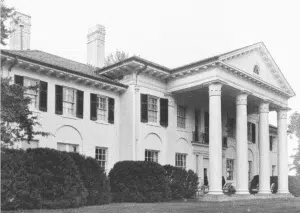
If you spend enough time walking the brick sidewalks of downtown Charlottesville or driving the winding roads of Albemarle County, you start to understand something I’ve known since I began renovating old homes back in 1987.
Charlottesville historic homes are not just places to live.
They are investments in craftsmanship, land, and legacy.
I’m Toby Beavers of https://tobybeaversrealtor.com/charlottesville-historic-homes-for-sale.
I’ve been selling real estate in Charlottesville since 2003, and at the moment, I have listed 35 of the finest Charlottesville historic homes to show you.
One of the first questions I get from buyers is simple.
What are the tax benefits of owning one of these properties in 2026?
The answer is that there are real financial advantages, but they come with rules, paperwork, and patience.
Let’s walk through it in plain English.
What Qualifies as a Historic Home in Charlottesville and Albemarle County?
Before we talk about tax breaks, we need to define what “historic” actually means.
In most cases, a property must meet one or more of the following criteria:
- Be listed on or eligible for the National Register of Historic Places
- Be a contributing structure in a locally designated historic district, such as those in Charlottesville
- Be individually designated by the Virginia Department of Historic Resources
As a rule of thumb, homes are generally considered eligible if they are at least 50 years old and retain their historic character.
That means a 1970s home might qualify today, but only if it has not been heavily altered.
In Albemarle County, the bar can be a bit higher depending on the specific program, especially for rural estates and Charlottesville VA farms for sale.
The Big One: Virginia Historic Rehabilitation Tax Credit
If you are thinking about renovating, this is where things get interesting.
Virginia offers one of the most generous state tax credits in the country for historic rehabilitation.
Through the Virginia Department of Historic Resources, homeowners can receive:
- 25 percent state tax credit on qualified rehabilitation expenses
And if the property is also income-producing, such as a rental or bed and breakfast, you may also qualify for:
- 20 percent federal tax credit through the National Park Service.
For a primary residence in Charlottesville or Albemarle County, the state credit is usually the main benefit.
Example
Let’s say you spend $200,000 restoring a historic home in the city.
- You could receive up to $50,000 in Virginia tax credits
That is not a deduction.
That is a dollar-for-dollar reduction in your state tax liability.
There is a catch.
The work must meet strict preservation standards.
You are not flipping a house with modern shortcuts.
You are restoring it properly.
Charlottesville City Tax Abatement Programs
The City of Charlottesville has historically supported preservation through partial tax relief programs, especially in designated historic districts.
Programs can vary over time, but in general, they may offer the following:
- Partial real estate tax relief on the increased value after rehabilitation
- Incentives for maintaining historic character
These programs are typically tied to local review boards and require approval before work begins.
The Charlottesville Board of Architectural Review plays a central role here.
If you are planning a renovation, you need to get them involved early.
Waiting until after the work is done is a costly mistake.
Albemarle County Considerations
Albemarle County takes a slightly different approach.
While it does not always mirror the city’s abatement programs, it offers:
- Land use tax benefits for qualifying agricultural and forestal properties
- Preservation easement opportunities
If you own a historic farm or estate, placing a preservation easement on the property can result in:
- Significant income tax deductions
- Potential estate tax benefits
These easements are often coordinated with organizations like the Virginia Outdoors Foundation.
This is where historic ownership starts to overlap with long-term wealth planning.
Virginia Preservation Easements: A Powerful but Permanent Tool
Let’s slow down here, because this is one of the most misunderstood benefits.
A preservation easement is a legal agreement that restricts future changes to your property in order to protect its historic character.
In return, you may receive:
- State tax credits
- Federal tax deductions
- Possible property tax advantages
The trade-off is permanence.
Once an easement is in place, future owners are bound by it.
For the right buyer, especially someone thinking generationally, this can be a major advantage.
For someone who wants flexibility, it can feel restrictive.
Charlottesville Property Tax Impacts
Owning a Charlottesville historic home does not automatically mean lower property taxes.
In fact, these homes often carry higher assessments due to their desirability.
However, tax relief can come into play when:
- A rehabilitation program freezes or reduces the increased assessed value
- A conservation or preservation easement lowers the taxable value
Every situation is different, and I always recommend speaking with a local tax professional who understands historic property rules in Virginia.
The Costs Behind the Credits
Now let’s talk reality, because I have renovated 11 historic homes (in Virginia and different states) to know that tax credits do not make a project easy.
To qualify for these programs, you will likely need to:
- Use approved materials and methods
- Work with preservation specialists
- Submit detailed applications and documentation
That can mean:
- Higher upfront costs
- Longer timelines
- More oversight
In other words, you earn the tax break.
Why Buyers Still Choose Charlottesville Historic Homes
Even with the extra work, demand for historic homes in Charlottesville and Albemarle County remains strong.
Why?
- Architectural character you cannot replicate
- Prime locations near downtown and established landscapes
- Long-term value stability
And yes, the tax benefits help soften the financial commitment.
My Perspective After 23 Years in the Charlottesville Historic Homes Market
I have seen buyers approach historic homes in two ways.
The first group focuses only on charm.
They fall in love quickly and worry about the details later.
The second group understands both the opportunity and the responsibility.
They run the numbers, learn the rules, and take advantage of every program available.
The second group almost always ends up happier.
If you are considering one of the 35 Charlottesville historic homes, or any historic property in the Charlottesville area, here is my advice:
- Confirm the home’s historic status early
- Talk to the Virginia Department of Historic Resources before starting renovations
- Build a realistic budget that includes compliance costs
- Treat tax credits as a bonus, not the sole reason to buy
My Final Thoughts as a Charlottesville Realtor Since 2003
Owning a historic home in Charlottesville or Albemarle County is part lifestyle, part stewardship, and part financial strategy.
The tax breaks available in 2026 are meaningful.
Between Virginia’s rehabilitation credits, potential federal incentives, and local programs, homeowners can recover a substantial portion of their investment.
But these benefits reward patience, planning, and respect for the past.
If you are willing to do it right, you are not just buying a home.
You are preserving a piece of Virginia history and positioning yourself for long-term value in one of the most desirable markets in the Commonwealth.
Toby Beavers, a knowledgeable Charlottesville real estate agent since 2003, may be reached by text or phone at 434-327-2999

Sources
-
Here are the official links of sources, including both state and national historic and outdoor preservation organizations:
- Virginia Department of Historic Resources: The Commonwealth’s official agency for historic preservation, managing the Virginia Landmarks Register.
- National Park Service: The federal agency responsible for managing national parks and administering various preservation programs.
- National Register of Historic Places: The official federal list of districts, sites, and buildings significant in American history and culture, managed by the National Park Service.
- Charlottesville Board of Architectural Review: The local body responsible for protecting designated historic properties and districts within the City of Charlottesville.
- Virginia Outdoors Foundation: A public foundation established to promote the preservation of open-space lands and land conservation across Virginia. [1, 2, 3, 4, 5, 6, 7, 8, 9, 10]
Do you need help finding specific records or nomination forms from any of these organizations?